
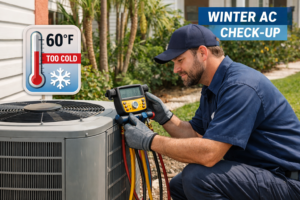
Air Conditioning in Florida Winters:
How to Use It Smartly, Control Humidity, and Protect Your System
Air conditioning in Florida is not just a summer necessity. Even during the winter months, humidity remains a real concern,
temperatures can swing quickly, and indoor comfort can suffer if the system is completely neglected. Many homeowners ask the same question every year:
Should I run my air conditioning during the Florida winter? The correct answer is yes—but strategically.
Florida winters are unique. While northern states focus on freezing temperatures, Florida homeowners deal with moisture control, air circulation, and system readiness for the intense summer ahead. Running your air conditioning the right way during winter can help prevent mold growth, improve indoor air quality, and avoid costly breakdowns when temperatures rise again.
This guide explains when to use air conditioning, when to avoid it, how to adjust your thermostat, and which winter maintenance steps truly make a difference.
Why Air Conditioning Still Matters During Florida Winters
Humidity Does Not Disappear in Winter
Even when outdoor temperatures drop, Florida humidity often remains high. Excess moisture indoors can cause musty odors, discomfort, and long-term issues like mold and mildew. A properly operated air conditioning system helps remove moisture from the air, keeping indoor spaces dry and comfortable.
Air Circulation Improves Indoor Comfort
Leaving the air conditioning completely off for long periods can cause stagnant air. Strategic system operation improves circulation,
freshness, and overall comfort inside the home.
Warm Winter Days Are Common in Florida
Florida winters regularly include days in the 70s and even low 80s. On these days, air conditioning becomes necessary again.
Keeping the system functional ensures comfort without scrambling for emergency service.
When NOT to Run Air Conditioning in Florida Winter
A critical rule many homeowners overlook: do not run air conditioning cooling mode when outdoor temperatures are too low.
The 60°F Rule
If outdoor temperatures fall below approximately 60°F, running the AC in cooling mode can:
- Increase the risk of frozen evaporator coils
- Stress the compressor
- Reduce system lubrication efficiency
- Lead to costly mechanical damage
Why This Happens
Air conditioning systems are designed to operate within specific temperature ranges. Cold outdoor air disrupts heat exchange and condensation processes, potentially causing internal freezing.
Florida best practice:
Below ~60°F outside → avoid cooling mode. Use ventilation, humidity control strategies, or heat mode (if applicable).
How to Set Your Thermostat in Winter for Comfort and Savings
Recommended Winter Settings
A commonly recommended efficiency target is around 68°F when using heating, lowering the temperature when sleeping or away from home.
This prevents unnecessary runtime and energy waste.
Smart Thermostats Make Winter Easier
Winter is an ideal time to:
- Verify thermostat calibration
- Install or upgrade to a smart thermostat
- Create schedules for occupied and unoccupied periods
Benefits include:
- Automatic temperature adjustments
- Remote control from your phone
- Reduced energy usage
- Better comfort consistency
Winter Maintenance: 10 Actions That Improve Air Conditioning Performance
Winter is the best time for preventive maintenance because your system is under less stress.
1. Replace Air Filters Regularly
Dirty filters restrict airflow, reduce efficiency, and worsen indoor air quality. Check monthly and replace at least every 2–3 months,
sooner if you have pets or allergies.
2. Clean Supply Vents and Registers
Dust and debris accumulate on vents. Light vacuuming improves airflow and cleanliness.
3. Seal Air Leaks
Check doors and windows for gaps. Weatherstripping reduces energy loss and improves comfort.
4. Inspect and Seal Ductwork (If Applicable)
Leaky ducts waste conditioned air. Winter inspections are easier, especially in attics.
5. Keep the Outdoor Unit Clear
Remove leaves, debris, and vegetation. Maintain at least two feet of clearance around the condenser.
6. Schedule Professional Winter Inspection
Off-season inspections help catch small issues before they become summer emergencies.
7. Use Ceiling Fans Properly
Adjust fan direction to help redistribute warm air and reduce system workload.
8. Consider Duct Cleaning if Needed
Dust, allergens, and odors may indicate the need for professional duct cleaning.
9. Watch for Early Warning Signs
Unusual noises, uneven temperatures, rising energy bills, or short cycling should be addressed early.
10. Improve Everyday Efficiency Habits
Use curtains to control solar heat gain, seal small gaps, and rely on thermostat scheduling.
Winter Air Conditioning Is About Humidity Control, Not Cooling
The most important mindset shift for Florida homeowners is this:
Winter air conditioning is about humidity control, air circulation, and system preservation—not aggressive cooling.
Used correctly, your system:
- Protects indoor air quality
- Prevents moisture-related issues
- Reduces summer repair risks
- Lowers long-term operating costs
- Learn about our services:
https://ahub.us/air/ - Explore ductless solutions:
https://ahub.us/mini-split-air-conditioning/ - Compare system options:
https://ahub.us/what-air-conditioning-unit-is-best/ - Schedule service:
https://ahub.us/contact/
If you want better comfort, controlled humidity, and a system ready for Florida’s summer heat, start with a professional inspection.
Smart winter preparation saves money when summer arrives.