
What Air Conditioning Unit Is Best?
A South Florida HVAC Expert’s Real Answer
If you live or own property in South Florida, you’ve probably asked this question — or Googled it — more than once:
“What air conditioning unit is best?”
After several years working with residential and commercial AC systems in South Florida, here’s the honest, experience-based answer:
The best air conditioning unit is not a brand — it’s the installation.
Let me explain what that really means, why inverter systems matter so much in Florida, and how to make the right decision for your home or building.
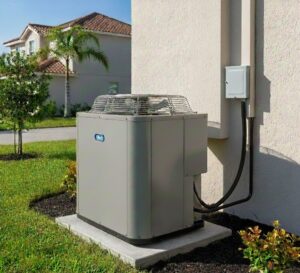
Why This Question Is Different in South Florida
South Florida is not a “normal” HVAC market.
We deal with:
- Extreme heat most of the year
- Constant high humidity
- Salt air in coastal areas
- Long runtimes instead of short cooling cycles
That means systems fail not because of brand, but because they were:
- Improperly sized
- Poorly installed
- Mismatched with the ductwork
- Chosen based on brand hype instead of climate reality
The Biggest Mistake Homeowners Make: Brand Obsession
One of the most common mistakes I see is homeowners asking:
“Is Brand X better than Brand Y?”
The truth:
- All major manufacturers today make good equipment
- All of them also fail if installed incorrectly
- A premium brand with a bad install will perform worse than a mid-tier brand installed correctly
Focusing only on the logo is how people end up with:
- High electric bills
- Uneven cooling
- Humidity problems
- Premature compressor failure
What Actually Matters Most (In This Order)

Based on real projects across single-family homes, condos, townhomes, multifamily, and commercial properties, here’s what truly matters to my clients:
1. Warranty
A strong manufacturer and labor warranty protects your investment in Florida’s harsh conditions.
2. Price (Value, Not Cheapest)
The cheapest system almost always costs more long-term through repairs and energy waste.
3. Energy Efficiency
Efficiency matters — but only when paired with correct sizing and airflow.
Why Inverter Air Conditioning Systems Are the Best Choice for Florida
For South Florida, inverter (variable-speed) systems are hands-down the best technology available today.
Key Benefits in Florida’s Climate
- Superior humidity control: They run longer at lower speeds, pulling more moisture from the air.
- Lower electric bills: Instead of turning on and off constantly, they modulate power use.
- More consistent temperatures: No hot and cold swings between rooms.
- Quieter operation: Especially important for condos, townhomes, and multifamily buildings.
- Longer equipment life: Less stress on compressors compared to single-stage systems.
In short: inverter systems are designed for long cooling seasons, exactly what Florida has.
Residential vs Commercial: Same Principle, Different Scale
Whether it’s:
- A single-family home
- A condo or townhome
- A multifamily building
- A commercial space
The rule stays the same:
Correct load calculation + proper installation beats brand every time.
Commercial systems fail for the same reasons residential ones do — just at a higher cost.
My Professional Opinion
Here’s the takeaway most contractors won’t say clearly:
- There is no universal “best AC brand”
- The same unit can be amazing in one home and terrible in another
- Florida demands design expertise, not brand loyalty
A system must be:
- Correctly sized (Manual J / load calculation)
- Properly ducted
- Installed with humidity control in mind
- Matched to how the building is actually used
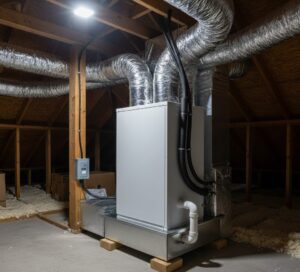
So… What Air Conditioning Unit Is Best?
The best air conditioning unit is the one that:
- Is properly sized for your property
- Uses inverter technology where appropriate
- Is installed by a contractor who understands South Florida conditions
- Comes with solid warranty coverage
- Is designed for comfort and humidity control
What You Should Do Next
If you’re considering replacing or upgrading your AC system, the smartest next step is not choosing a brand online.
Contact us and schedule a professional inspection.
An on-site evaluation allows us to:
- Inspect your existing system and ductwork
- Calculate the correct load
- Recommend the right type of system (not just a brand)
- Prevent costly mistakes before they happen